Out now:
When We Look Up

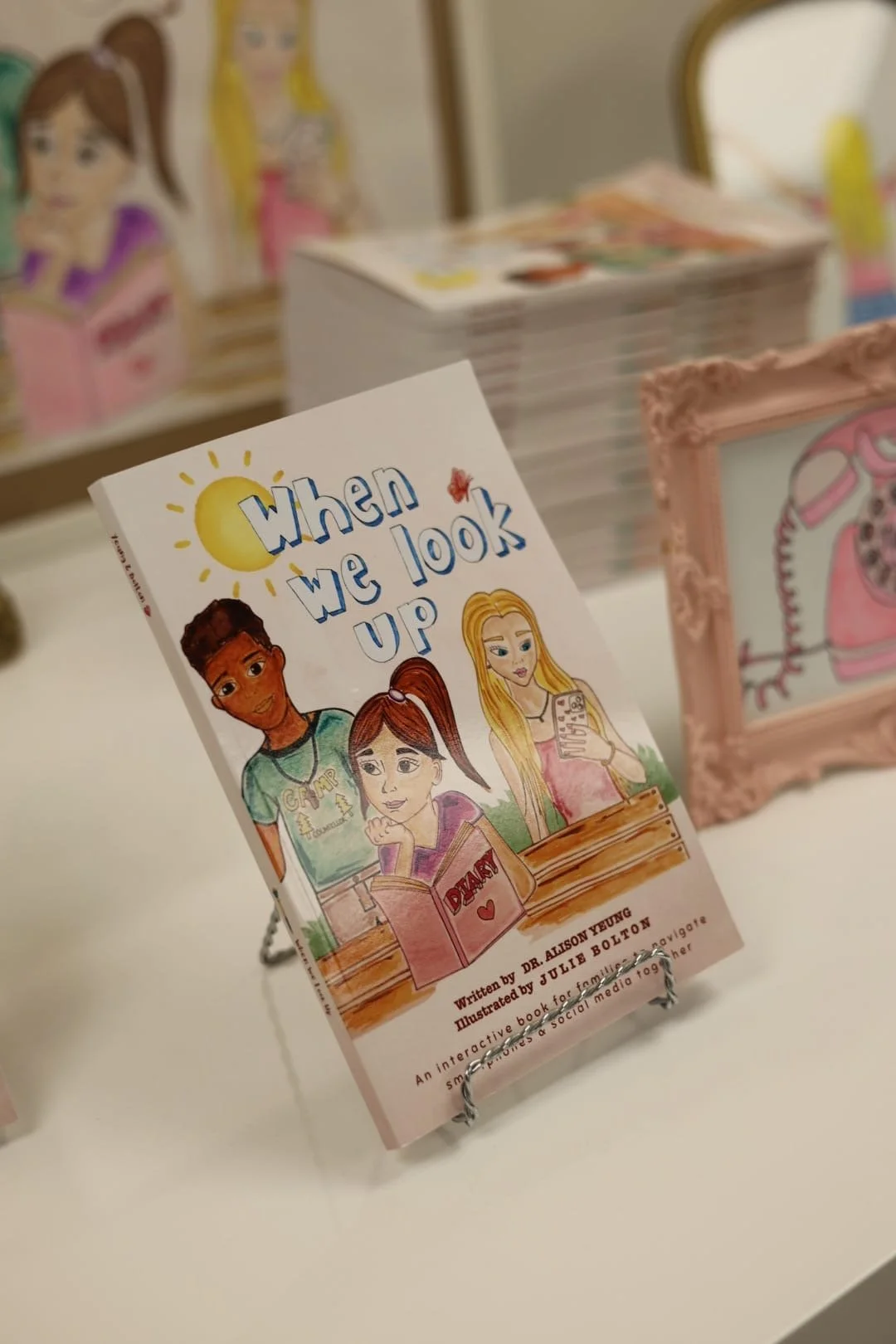
When We Look Up is the Amazon-bestselling chapter book for children ages 8–12 that helps young readers understand the importance of looking up from screens and connecting with the world around them.
How did this book come to be? When I speak to parents, I’m often asked to recommend a resource that helps children understand why delaying smartphones and social media matters. After all, sometimes hearing the message from someone other than Mom or Dad makes all the difference.
I struggled to find a book that fit the bill, so I decided to write my own. I'm thrilled to share that When We Look Up is now available for purchase!
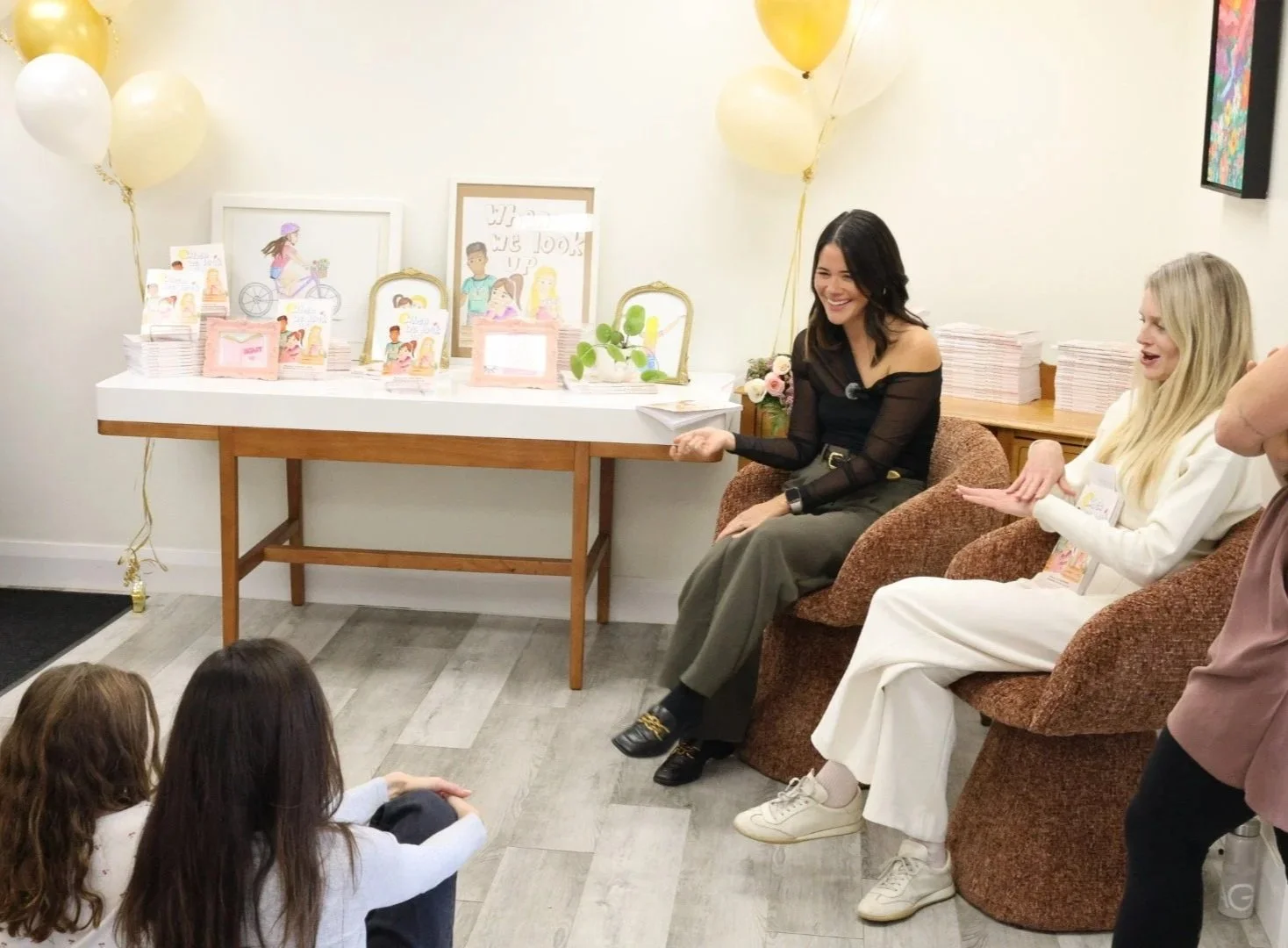
Look Who’s Looking Up
“As a paediatrician and digital literacy advocate, I eagerly read When We Look Up and found it to be a thoughtful and reassuring guide for families navigating smartphone use. Rather than focusing on fear or blame, it encourages meaningful conversations, healthy habits, and stronger family connections. Dr. Alison Yeung’s practical advice is easy to apply, and the fun illustrations and family-centered approach make it a resource that parents and children can learn from together. I highly recommend this book!” — Dr. Michelle Ponti Chair, Digital Health Task Force, Canadian Paediatric Society
“As a child and adolescent psychiatrist, I talk with kids and parents about phones every week, and I rarely find a book that both groups will pick up. When We Look Up follows Maddie and her friends through the real pressures of growing up with a smartphone. A chapter like “The Dopamine Drip” explains how screens affect the brain in language kids understand. The book is built for families to read together, which makes it an easy way to start conversations about social media at home. I will be recommending it to the families I work with.” — Willough Jenkins, MD, Child and Adolescent Psychiatrist, Associate Professor of Psychiatry, UC San Diego
“I work with families every day who are losing connection to screens without even realizing it. When We Look Up gives parents and kids a shared language for what's happening and a simple path back to each other. Alison and Julie bring a doctor's credibility and a parent's heart, and it shows on every page. This book is going to make a real difference in homes. I'll be recommending it to every family I work with.” — Michael McLeod, MA, CCC-SLP, TSSLD, Founder & Executive Director, GrowNOW ADHD, and Author of The Executive Function Playbook”
“Every parent of a daughter should buy this book. Read it together, or hand it to her to read on her own, and then talk about it. Life is Better When We Look Up opens the door to honest conversations about the pros and cons of smartphones and social media at exactly the age when those conversations matter most. The story feels real. Maddie and Ella face the challenges a typical tween faces, and girls will see themselves in these characters. Something powerful happens when kids recognize themselves in a story. When they watch Ella lose her confidence after she gets a phone, they feel the pain of changes that are so common among our girls once a smartphone and social media come into their lives, and they understand it in a way no lecture from a parent can match.
Maddie’s diary entries alternate with clear, well-researched explanations of what devices actually do to a young person’s attention, brain, mental health, and relationships, along with questions to talk through as a family. The information is solid and grounded in research, and it’s written so kids can understand it.
This book also takes some of the pressure off parents. It helps your daughter buy into your family’s boundaries about waiting on a smartphone and social media, because she comes to understand the reasons for herself. It’s a wonderful tool to keep in your parenting toolbox, supporting your child’s healthy development, emotional well-being, and family relationships in an attention economy built to pull our kids away. I read it alongside my 13- and 11-year-old sons, and they both liked it. The story centers on two 12-year-old girls, but there are boys in it too, and the lessons apply to all kids. It’s written for girls, but I’d recommend it to families with boys as well.” — Dr. Carrie Mackensen, psychologist, parent coach, and author of Digitally Dysregulated: How Screens Hijack Kids' Brains and What Parents Can Do About It
“Love this book so much! It provides such an approachable, non-judgmental way to explain why delaying smartphone or social media use is beneficial for adolescent mental health. Instead of utilizing fear tactics, the book speaks directly to kids at their developmental level, helping them understand how technology industries capture their attention. And, so importantly, having spoken directly with Dr. Yeung on my podcast about her extensive work and research in this area, it’s evident that this book integrates her real-world observations from her practice regarding screen time, shortened attention spans, and youth anxiety. Couldn’t recommend this book more!” — Erin Junker, M.A. Professional Infant & Toddler Sleep Consultant, Owner | The Happy Sleep Company
“As both a mom and therapist who cares deeply about helping families navigate the digital world, I absolutely love When We Look Up. It’s thoughtful, engaging, and beautifully illustrated—this book gives parents and kids such a natural, inviting way to start important conversations about smartphones, screens, and social media together.” — Tessa Stuckey, Licensed Professional Counselor and author of For the Sake of Our Youth: A Therapist’s Perspective on Raising Families in Today’s Culture
“Dr. Alison Yeung is not only one of the smartest people I know when it comes to kids and tech—she’s also a dear friend and a mom navigating this right alongside us. I trust her completely, and I know When We Look UP will help countless parents connect with their kids and keep them safer in a world of technology.” — Nicki Reisberg, Podcast Host and Digital Safety Advocate, Scrolling2Death Podcast
“I am so grateful for this book. Not only is the story engaging for my kids but it is layered with opportunities to dive into the big conversations around tech and social media. I am empowered as a parent and also strengthened in my resolve to help my kids look up and navigate the parenting journey of all the tech with my eyes wide open. My kids really liked the book, from the engaging and relatable storyline to the closeness and connection we experienced working on the question prompts. I highly recommend this interactive book!” — Christina Harnack, parent and WRDSB High School teacher
“I really liked the book and how it was a story about a girl like me and that it was relatable. I liked how the tech and social media stuff was explained and the conversations I had with my mom.” — Anna (Christina Harnack’s daughter)
“I like how the book showed what people experience in real life and how the main character learned that being the one left out without a phone was actually better for her in the end. I also really liked the drawings!” — Natalie (Christina Harnack’s daughter)
“I am so grateful for this book. As a parent of a young teen going through the same rollercoaster of emotions as Maddie over not having a smartphone, this has been incredibly helpful reading both for myself, and for my teen. I am no longer the ’strictest Mom in the world’ and we can see a little more eye to eye on the issue.” — Rebecca Snow, Unplugged Canada Toronto Chapter
“How do we help kids navigate a world of smartphones and social media? When We Look Up opens the door to meaningful family conversations through an engaging story, thoughtful journaling prompts, and accessible insights into the realities and risks of the digital world. I’ll be reading this with my own kids and recommending it to every parent I know!” — Caitlin Meares, Television Writer and Mom of Two
“I am 11 and using my moms account to do a review on the book. I thought this book was so hard to put down, i brought it everywhere I went and never got bored. It made me realize that screens are not the the way people look at them as. Sure there are some pros but mostly cons. I loved the interactive parts because they really made me think about me and smartphones. I also loved how we got to learn all about blue light and other things like dopamine, the journal parts were my favourite that and the real facts. This was ultimately an awesome way to both learn and have fun reading at the same time! Thanks for this” — 11 year old Amazon reviewer